

By: Naqibullah OBAYD
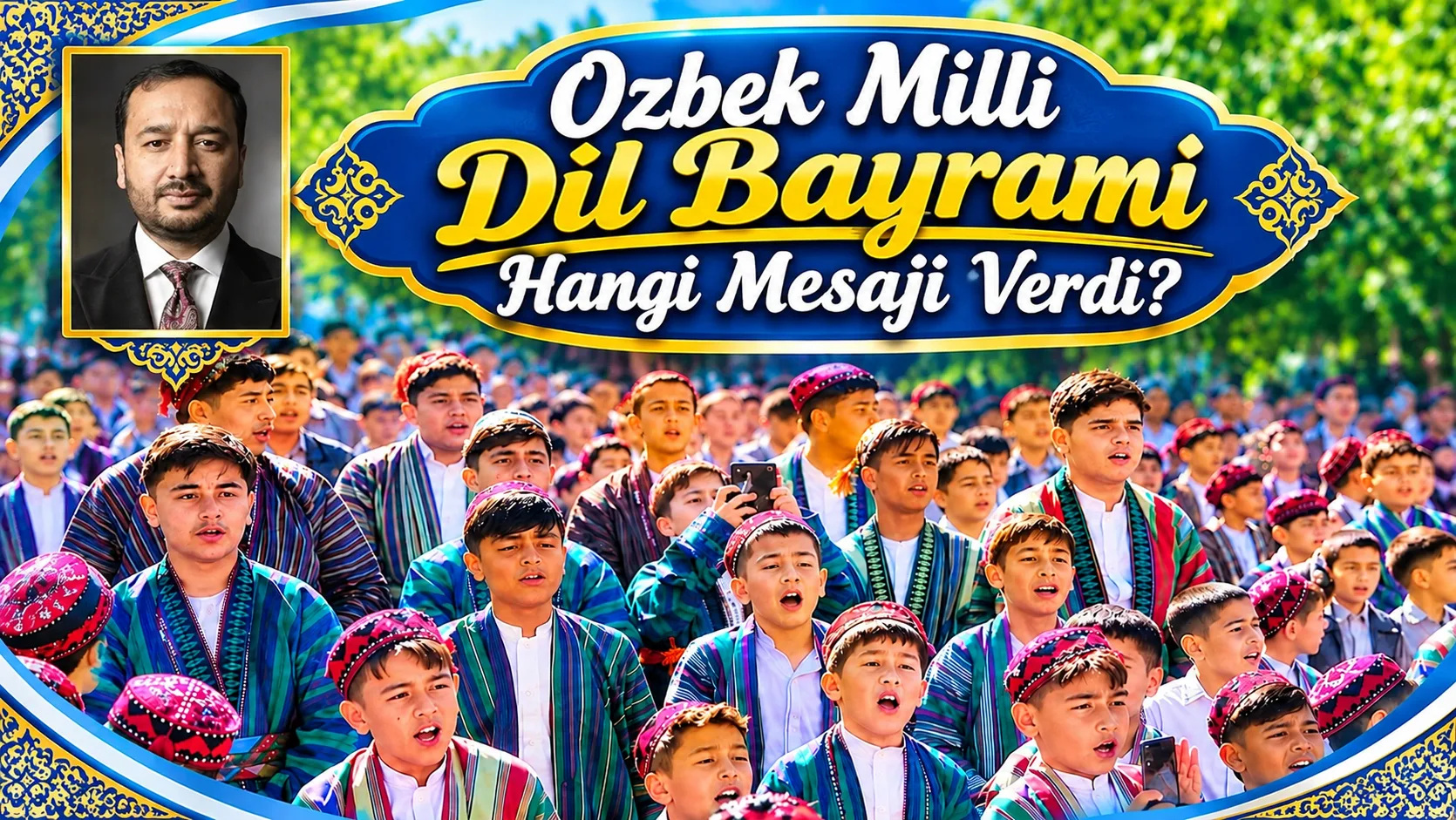
This year, Afghan Uzbeks celebrated the 29th of Mizan, Uzbek Language National Day, with much broader participation and more magnificent events than in previous years. According to published reports, approximately 60 literary and cultural events were organized both inside and outside Afghanistan, including in the United States and European countries. Despite the restrictions and obstacles imposed by the Taliban administration, our people succeeded in celebrating this special day in many provinces and districts across Afghanistan.
According to published reports, the Taliban prevented celebrations marking the 29th of Mizan, Uzbek Language National Day, from taking place in eight provinces and districts of Afghanistan. Furthermore, with the exception of an event in Sar-e Pol Province attended by the provincial governor, no senior official from the Taliban's central administration participated in the Uzbek Language National Day celebrations. This demonstrates that the Taliban administration lacks a clear commitment and program for the development of the country's languages.
On the other hand, the 29th of Mizan, Uzbek Language National Day, received widespread attention on social media platforms and in the national press. In addition to Uzbeks, other brotherly peoples and ethnic communities of our country also celebrated this national occasion through meaningful messages and statements.
Today, many people are asking: What messages did this major cultural and social movement convey? What changes have taken place within Uzbek society?
In my view, this significant cultural and social movement conveyed two important and particularly clear messages.
1. The Growing Cultural and National Identity Awareness of the Uzbek People
The celebration of a national day with such broad participation demonstrates that Afghan Uzbeks are embracing their language, identity, and rich history. It reflects their commitment to cultural values and their determination to preserve, strengthen, and pass on their rich linguistic and cultural heritage to future generations.
When a nation celebrates a special day dedicated to its language on such a large scale and with such grandeur, it is essentially declaring that its language holds historical and cultural significance. The people want to preserve, protect, and develop their language.
The celebrations held this year on the occasion of the 29th of Mizan demonstrated that our society's cultural and national identity awareness is growing and that its capacity to organize and coordinate major cultural and literary events has significantly increased.
In my opinion, even more important than all these developments is the fact that one reality has become unmistakably clear:
Afghan Uzbeks are no longer the same community they were several decades ago, or even just a few years ago. This great nation has become much more conscious, socially aware, and equipped with a stronger sense of collective identity.
However, to achieve full political and cultural maturity, Afghan Uzbeks must make even greater efforts to advance their language and national identity.
To raise the level of social awareness among Uzbek Turks and strengthen their language, there is a need to establish strong institutions, create associations and organizations, establish universities, develop language and identity research centers and think tanks, and increase the production of written works in the Uzbek language.
Undoubtedly, more comprehensive initiatives will be undertaken in these areas in the coming years.
My hope is that in the years ahead, the 29th of Mizan, Uzbek Language National Day, will be celebrated not only through poetry, music, traditional food, and exhibitions of traditional clothing, but also through academic conferences, symposiums, and the presentation of new scholarly publications.
2. Strengthening Cultural Independence and Reducing Dependence on Individuals
Undoubtedly, during the period of the Islamic Republic of Afghanistan, there were no major obstacles to organizing cultural and social activities. Laws and policies in this field had also been defined to a certain extent.
On one occasion, the 29th of Mizan, Uzbek Language National Day, was celebrated at the Presidential Palace, with the participation of the president at the time and senior government officials.
When we compare the conditions for cultural, civic, and educational activities during the Republic with the current situation under Taliban rule, we can see that cultural, educational, and civil society activities were carried out under much more favorable conditions during that period.
However, in my opinion, the Uzbek community faced a different situation in the past.
In earlier years, even until just a few years ago, organizing a major event in the cultural and literary fields within Afghan Uzbek society was extremely difficult without the approval and support of a particular individual or political institution.
Independent political, social, and cultural initiatives faced various accusations, and deliberate efforts were made to prevent and suppress such initiatives.
Although some small independent political and cultural movements emerged within the Uzbek community during the final years of the Republic, a significant portion of the political and cultural decisions concerning this great nation remained almost entirely under the control of a single individual and his close circle.
In recent years, however, small-scale yet sincere cultural and literary initiatives, both inside and outside Afghanistan, along with the spontaneously organized celebrations of the 29th of Mizan, have demonstrated that dependence on particular individuals is gradually declining.
Today, cultural figures, academics, teachers, literary professionals, young people, businesspeople, and women are taking independent initiatives and demonstrating greater courage. They are establishing cultural and social organizations, carrying out various cultural activities, and organizing major events through financial and personal sacrifices, thereby demonstrating their social and cultural capabilities.
In my opinion, this is an extremely encouraging development for our nation and should undoubtedly be welcomed as a positive achievement.
According to available information, all these events organized over the past several years have been the result of independent initiatives by cultural figures, civil society activists, academics, young people, women, and businesspeople.
No individual or political organization has provided political or financial support for these events. According to the information available to me, not even the smallest request for assistance was made to politicians.
From its very beginning, the 29th of Mizan, Uzbek Language National Day, has been entirely a cultural and social movement in nature.
Through the efforts of numerous cultural figures, civil society organizations, academics, and journalists, this special day has become part of history and evolved into a national celebration for the Uzbek people.
Undoubtedly, this national celebration will continue to preserve its cultural and social character in the future.
CONCLUSION AND ASSESSMENT
The Uzbek language has a history and cultural heritage spanning several thousand years. Throughout different historical periods, great dynasties such as the Seljuks, Ghaznavids, Timurids, and Mughals placed special emphasis on language and literature in their royal courts, supporting poets and scholars.
Throughout history, Uzbek leaders and prominent figures have valued the preservation and development not only of their own language but also of the languages of other peoples. As a result of this support, valuable literary and historical works were produced in various languages, particularly Uzbek and Persian-Dari.
Nevertheless, over the past several decades, and indeed throughout the last century, the Uzbeks of Afghanistan and their language have faced numerous challenges as a result of discriminatory policies and cultural and political restrictions.
However, the cultural momentum that has emerged in recent years, particularly the widespread celebrations of the 29th of Mizan, demonstrates a significant rise in the Uzbek people's cultural awareness and sense of national identity.
Furthermore, a cautious assessment suggests that dependence on particular individuals in social and cultural initiatives has also begun to decline.
The aspiration of our people is for Uzbeks to free themselves from the oppression of extremists, usurpers, monopolies of power, and the existing authoritarian system of governance, and to attain genuine political, cultural, and social empowerment.
At the same time, our people must be able to undertake fundamental and sustainable efforts to strengthen their language and national identity and, ultimately, play an active role in determining their own future.

Community discussion
No comments yet
Be the first to share a thoughtful response.